NORBERT BIEDRZYCKI

AI is changing the economics of software, not just the product

AI is changing not just products, but the economics behind them.

As variable costs rise, enterprise software is moving away from traditional pricing models like perpetual licenses toward SaaS and, increasingly, consumption-based pricing.

In fact, the number of companies using usage-based models has more than doubled in recent years. Why? Because pricing aligned with usage and outcomes better captures the real value created, especially in an AI-driven world.

The shift is already happening. The question is: are your pricing models keeping up?

Based on research by McKinsey & Company.
Read next

  1. AI won’t run out of customers. It will run out of power and time to repay its debt

    Many people read the sell-off in data center stocks as the first crack in the AI bubble. I look at the same numbers and see something else. The demand is there, and it is substantial. The trouble lies elsewhere: in the construction itself, in access

  2. The AI bubble is the wrong questionLinkedIn

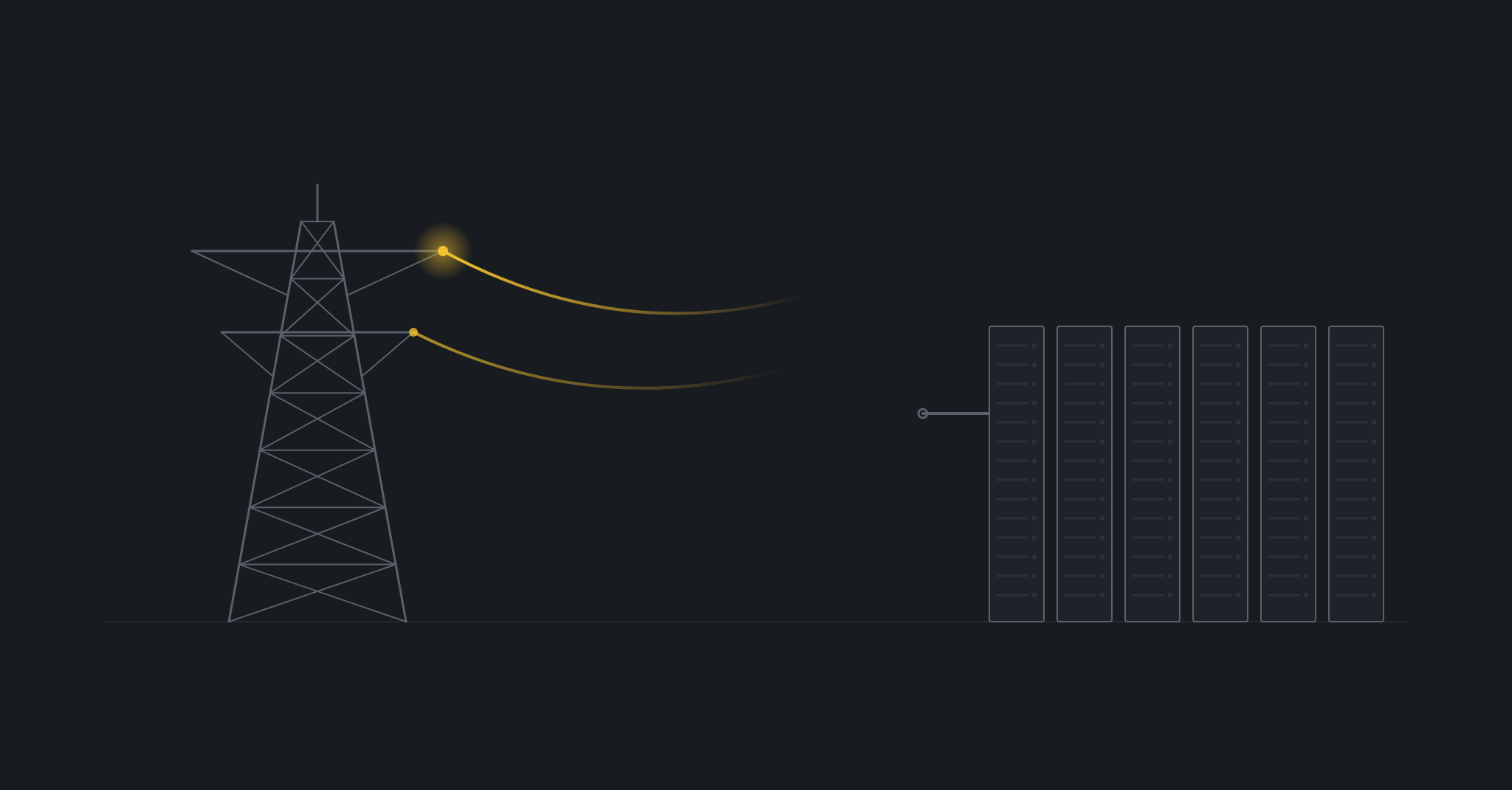
    Microsoft has just pulled out of a deal to build a data centre in Loughton, near London. Not for lack of demand, but for lack of power: the grid connection there won't be ready until the 2030s. And it's not the only case.

  3. We may have fundamentally misunderstood the economics of AI, because it won't be freeLinkedIn

    For the past two years, we've heard almost exclusively one narrative: AI will make knowledge work cheaper, faster, and practically unlimited in cost. But early signals are starting to emerge that reality might look very different.