Category: Business
20 posts
Where will judgment come from in ten years?
The companies that have gone furthest in working with AI agents now talk about one resource that cannot be bought in tokens. They call it different things: taste, judgment, intuition. And these very companies, not entirely consciously, are sawing off the branch on which that resource grows.
Who signs the agent's mandate?
Every company has a policy that says who can sign an invoice for 50,000 zloty. Almost none has a policy that says what an agent deploying changes to production a hundred times an hour is allowed to do. In recent weeks two stories have appeared that are worth putting side by side.
The token bill is the new payroll
For decades, people were the largest cost line in a services or technology company. Budgets were planned in headcount, margins were calculated from rates, and company value was estimated, among other things, from revenue per employee.
The Physical AI Opportunity: Investing Beyond Software
The Business of AI series, written in 2026
AI won’t run out of customers. It will run out of power and time to repay its debt
Many people read the sell-off in data center stocks as the first crack in the AI bubble. I look at the same numbers and see something else. The demand is there, and it is substantial. The trouble lies elsewhere: in the construction itself, in access
The risk in AI isn't demand. It's the capital structure.LinkedIn
That isn't the profile of a tech company. It's the profile of a leveraged buyout, except the asset isn't a factory but graphics processors. That is what the balance sheet of CoreWeave, one of the largest neoclouds, looks like today.
The AI bubble is the wrong questionLinkedIn
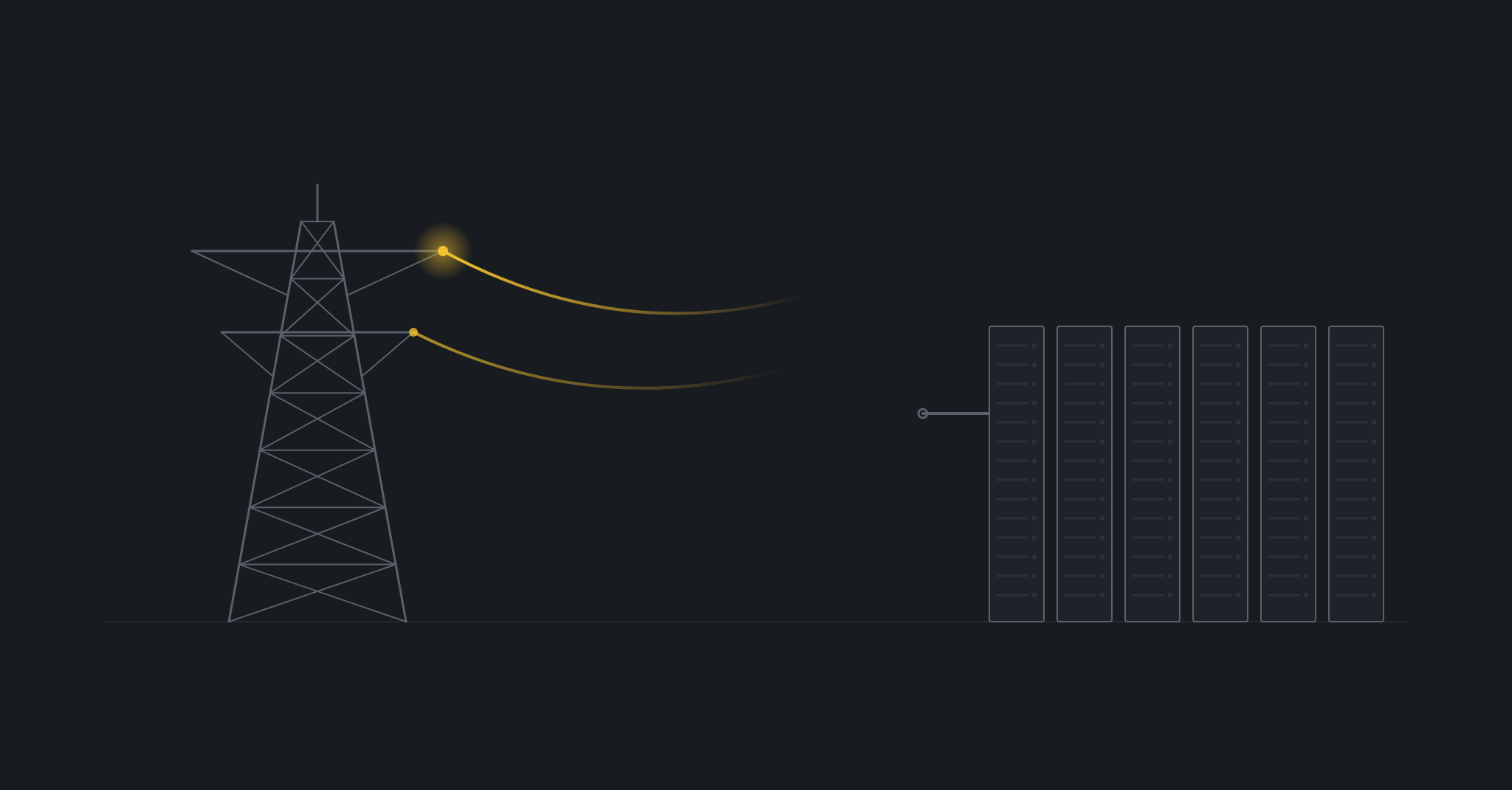
Microsoft has just pulled out of a deal to build a data centre in Loughton, near London. Not for lack of demand, but for lack of power: the grid connection there won't be ready until the 2030s. And it's not the only case.
AI Won't Fix Your Company by ItselfLinkedIn
Over the years I've watched dozens of tech fads come and go. Big data, blockchain, "digital transformation." The ritual was always the same. A board buys licenses, announces a transformation, and the organization quietly slides back into its old habits. Today I see the exact same pattern with AI.
Beyond Efficiency: The Next Transformation Frontier Is Business Model Reinvention
Transformation and Leadership series, written in 2026
Private Equity in the Age of AI: From Cost Optimisation to Business Model Reinvention
The Business of AI series, written in 2026
We may have fundamentally misunderstood the economics of AI, because it won't be freeLinkedIn
For the past two years, we've heard almost exclusively one narrative: AI will make knowledge work cheaper, faster, and practically unlimited in cost. But early signals are starting to emerge that reality might look very different.
We replaced AI subscriptions with four senior developers. It was the best AI decision we made.LinkedIn
AI was supposed to reduce costs, increase productivity, and allow smaller teams to do more. So we did what most tech companies are doing right now. We bought more tools, added more subscriptions, and started "scaling AI." At first, it worked.
The New Leadership Operating System: Decision Making in an Age of Complexity
Transformation and Leadership series, written in 2026
AI is changing the economics of software, not just the productLinkedIn
As variable costs rise, enterprise software is moving away from traditional pricing models like perpetual licenses toward SaaS and, increasingly, consumption-based pricing. In fact, the number of companies using usage-based models has more than doubled in recent years. Why?
AI was supposed to get rid of consultants. It's changing what they doLinkedIn
At first glance, it made sense. If a model can analyze data, generate insights and even suggest a strategy, why would companies still need external advisors? But that assumption is starting to crack. In practice, most companies don't struggle with access to AI.
OpenAI and the consultants: the last mile of AI is organizationalLinkedIn
When OpenAI announced partnerships with McKinsey, BCG, Accenture and Capgemini, it didn't feel like a breakthrough moment. At first glance, it looked like another predictable move: big tech teaming up with big consulting.
The AI Capital Concentration: Is the Market Creating a New Generation of Technology Giants?
The Business of AI series, written in 2026
Solow's déjà vu: AI everywhere except in the productivity statisticsLinkedIn
I've been participating in technology revolutions since the early days of my career, and in AI since the moment it became deployable at scale in real commercial environments. And yet, I increasingly feel a sense of déjà vu.