Category: Society
20 posts
The Earth is sick. Machines teach an environment class
Climate change, with deforestation, melting glaciers, mass extinctions and carbon emissions, is the biggest problem of the century. If you struggle to understand what is ruining our planet, perhaps you should look for clues in artificial intelligence. Oceanographers, biologists, and meteorologists successfully use a host
Politicians and artificial intelligence. Can national strategies succeed?
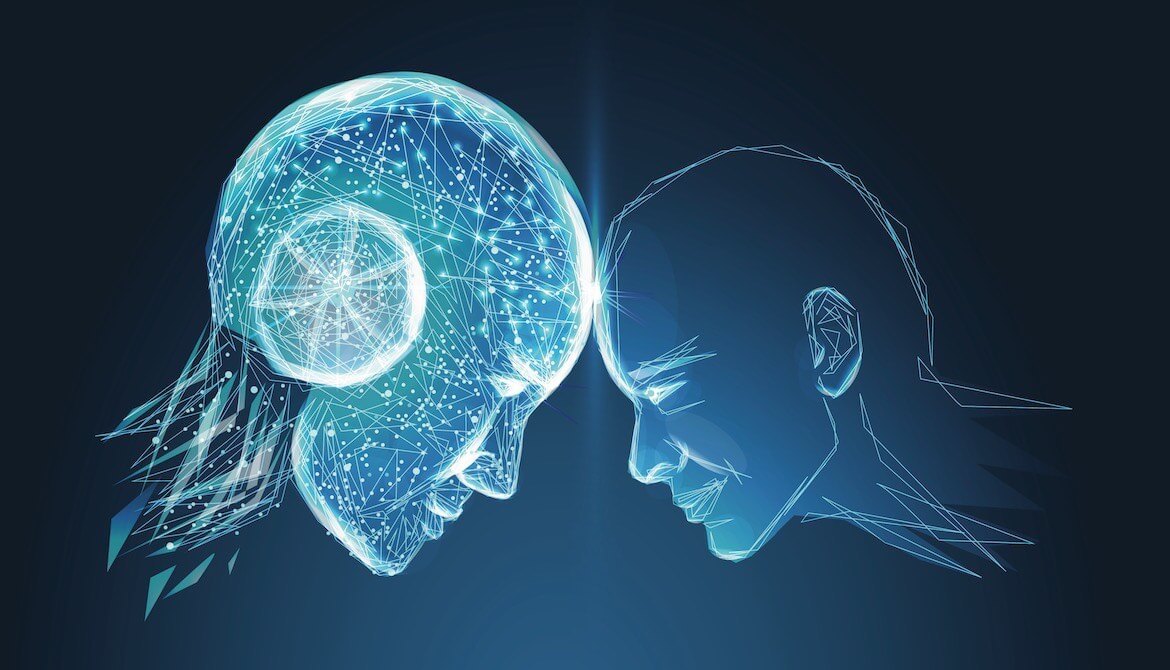
For the first time in the history of societies, people will live with technology as a partner that is guided by its own rules and laws. Politicians are increasingly aware of the various consequences of AI expansion. Will they be able to regulate our relationship with AI?
Covid-19. Are we entering an age of global surveillance?
Are we entering an age of global surveillance? It has long been common knowledge that digital technology can keep track of our every activity online. The digital tracks we leave behind are easy to follow.
Algorithms born of our prejudices
Are algorithms capable of discrimination? I am afraid they are. What complicates the question is the fact that algorithm developers can hardly be accused of malicious intent. How then could a mathematical formula put individuals and communities in harm’s way?
Millennials and Generation Z. A rented dress sounds sexier than a loan
As young consumers develop a preference for sharing or renting goods and services over purchasing, global business is confronted with an interesting challenge.
The city as an operating system
The notion of a smart city goes back several years. By now, urban areas run partly by algorithms can be found on all continents. And yet, Google’s idea to move nearly every aspect of a city district’s operation to a server is a whole new quality.
How to regulate artificial intelligence?
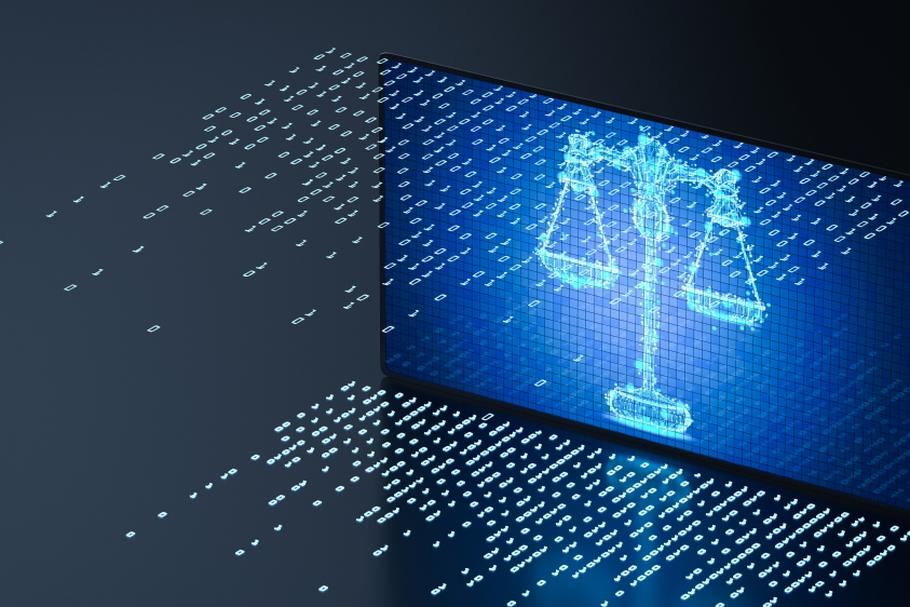
Lawyers, politicians and business people alike feel that the laws in place are failing to keep up with technological advances. Is it possible to regulate artificial intelligence efficiently and do we need such regulation?
Will AI save the labor market?
In many industries, digital technology reduces demand for human labor, and increases the net gain of intelligent machine ownership, such machines being cheaper than people. According to McKinsey, the digital revolution will put nearly 400 million people out of a job by 2030.
We, the last generation of Homo sapiens
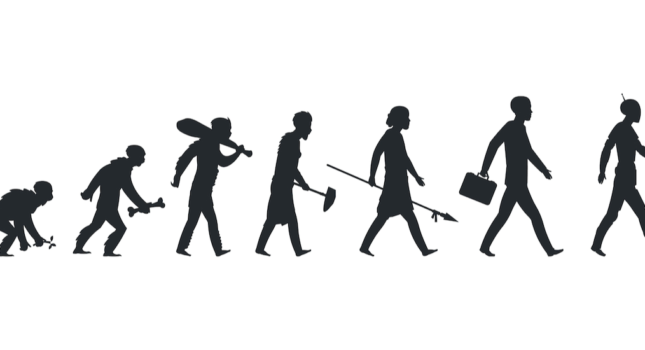
Do not be afraid of future robots lurking around the corner to get us. This only happens in movies. Instead, you should brace for more complex scenarios. Biotechnology, genetics and artificial intelligence will put Homo Sapiens on an evolutionary path that will forever change the face
Wearables. How about an electronic coat?
The increasingly popular wearables – personal electronic devices you can strap around your wrist, attach to your pants, or even fasten to your hair – fit perfectly into today’s obsessions with healthy lifestyles, healthy eating, calorie counting and jogging. There is always something that “smart”
Leadership. It takes a wider perspective to win
So, you have the power to inspire people and an appetite for innovative projects? Excellent. Test your resolve now at a meeting with the board or an owner who tells you that – yes, your project can get greenlit, but … (here comes the familiar
Time we talked to our machines
Over the last few years, artificial intelligence (AI) has advanced rapidly, with developers regularly reporting new breakthroughs. AI algorithms work ever faster. Until recently, skeptics argued it would take ages for robots to come anywhere close to moving like humans. It was easier to program
What’s more valuable: user experience or our data?
A vital criterion for assessing data management efficiency in enterprises is ease of use. Great user experience is a priority, not the whim of a spoiled customer. Data processing in a company should resemble driving a car: fast, safe and comfortable. Today’s consumers look for
Four grim dreams of great technology
The world has come to a point where life without the pervasive presence of technological gadgets is very hard to imagine. And yet, this technology-filled world is not immune to crises. Which of them scare us the most? The non-technological world is virtually disappearing –
In the digital economy you are for sale
Today, the world’s economies increasingly rely on the production of intangible goods. So, what should businesses do to become more competitive in an information-driven world? And, just (if not more) importantly, how can we – consumers, individuals – benefit from the huge data sets about
The blockchain smart contracts revolution
It is quite clear for everyone by now that smart blockchain-based contracts have the potential to revolutionize the way we conclude agreements, execute transactions and grant authorizations. They transform the way many industries work. What can the technology do for regular citizens and small businesses?
Will algorithms commit war crimes?
Will algorithms commit war crimes? It’s clear that the military is developing smart technologies. We owe many of the innovations we know from civilian applications to military R&D, including the internet itself (which began as Arpanet), email, and autonomous vehicles. But today modern weaponry relying on machine and deep learning can achieve a worrisome autonomy.
Dear Citizen, blockchain will change your life!
Blockchain can bring huge benefits to the sectors of finance, energy and transport. But what about ordinary citizens, voters and entities that do not generate business value? Could this new technology prove its worth also in public administration?
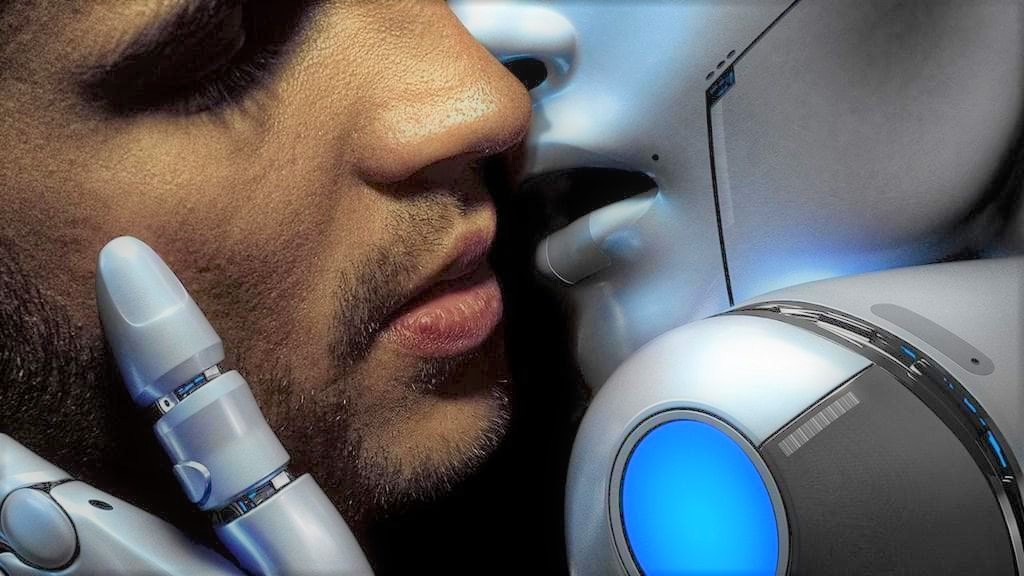
Machine, when will you learn to make love to me?
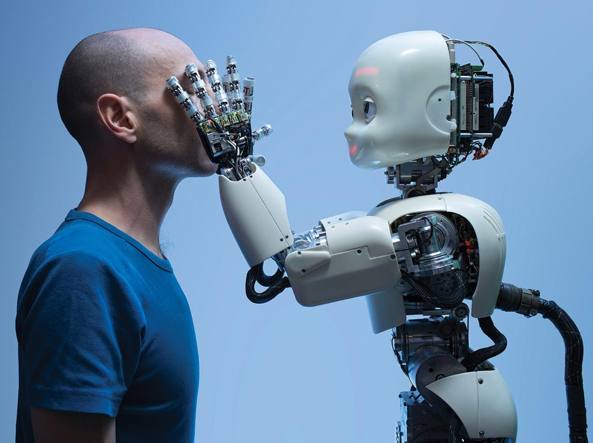
Contemporary debates on robotization focus typically on machines that populate workplaces. However, people’s lives are not all work. We need close human contact and emotional interactions with others. All this also concerns the area of eroticism. Are we in for a sexual revolution featuring artificial
Want to know who the leader is? Ask him to make a key decision
According to various estimates, every person makes dozens to hundreds of decisions daily, most of them automatically and without reflection. Most of the time, no specific competencies or sacrifice are required and no serious risks are involved. The decisions made in organizations are also typically